
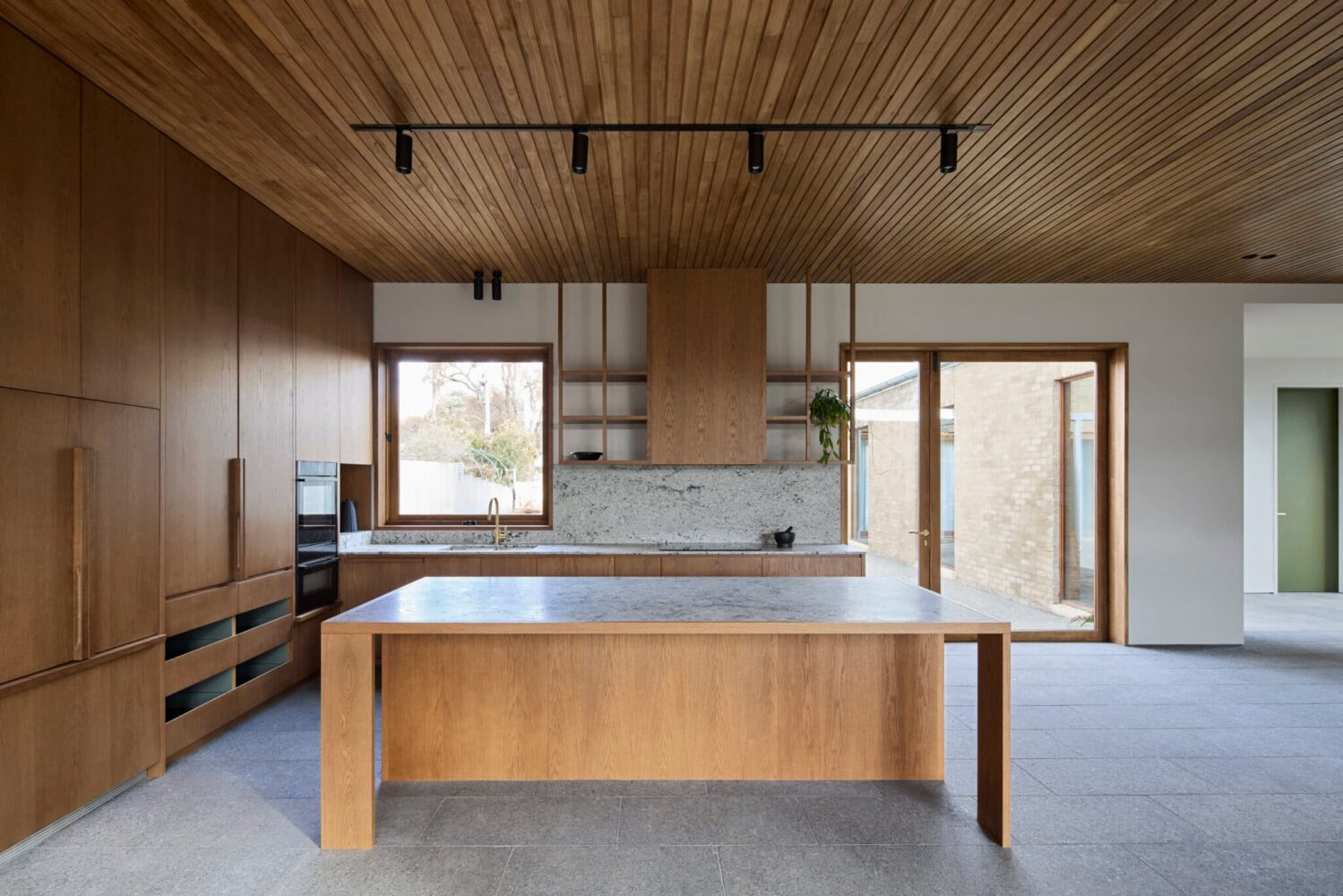
sustainable home builder melbourne
Sustainability Starts With Better Decisions
The best sustainable homes don’t look sustainable. They simply feel better to live in.
As a passive house builder in Melbourne, we focus on the decisions that matter most before construction begins:
- Orientation and natural light
- Passive environmental control
- Building envelope performance
At BOA, we work alongside architects who understand that sustainability is not a specification or a product selection exercise. It is the outcome of thoughtful decisions made early, creating homes that deliver comfort, efficiency and long-term performance without compromising design.
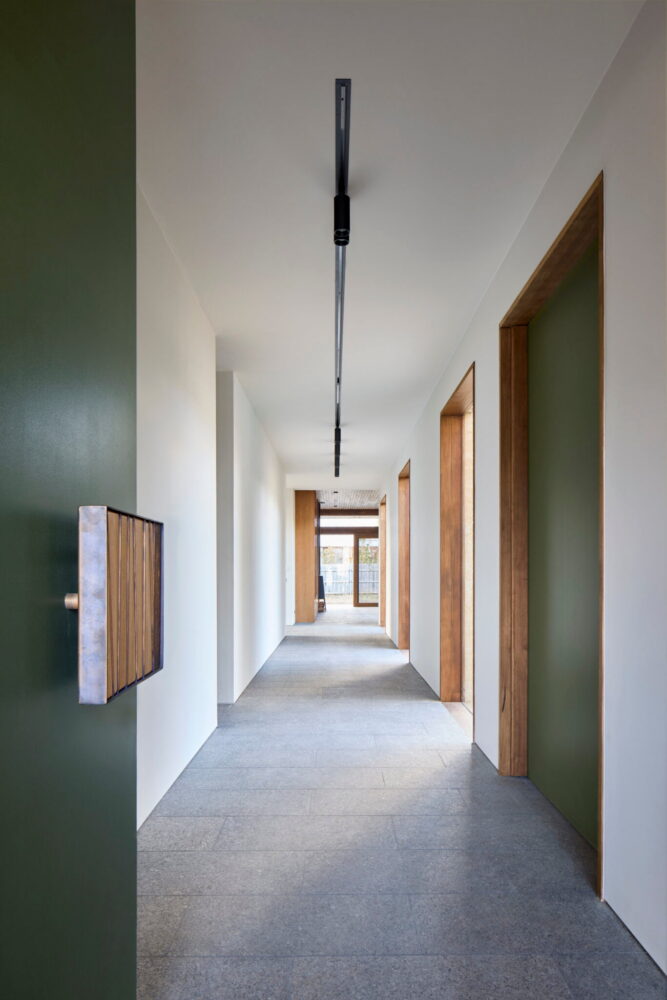
SUSTAINABLE HOME BUILDER MELBOURNE
Specialists In Sustainable, Passive & High-Performance Homes
Sustainable homes, eco homes, passive homes and energy-efficient homes all share one thing in common – they demand a builder who understands far more than construction alone.
At BOA, high-performance residential construction isn’t a niche service; it’s our sweet spot. We specialise in architecturally designed homes where sustainability, building science and craftsmanship come together to create homes that are healthier, more comfortable and built to perform for generations.
Working alongside leading architects and sustainability consultants, our team has developed expertise in Passive House principles, high-performance building envelopes, airtight construction and environmentally conscious building practices. It’s this combination of technical knowledge and construction discipline that enables us to deliver homes where architectural ambition and environmental performance are equally prioritised.
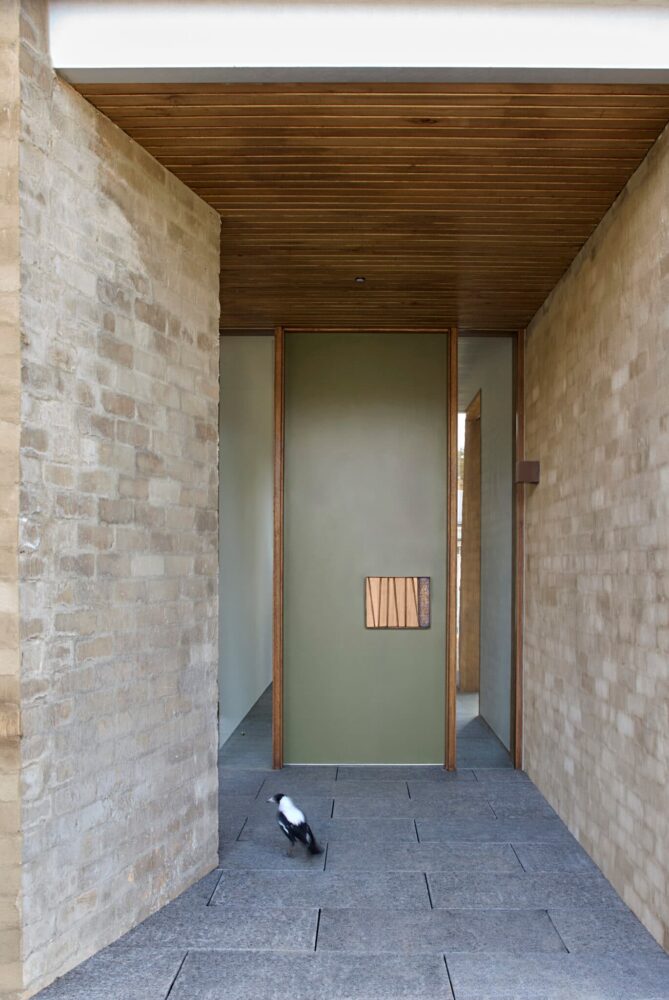
passive house project
Kyneton: Where Performance Meets Architecture
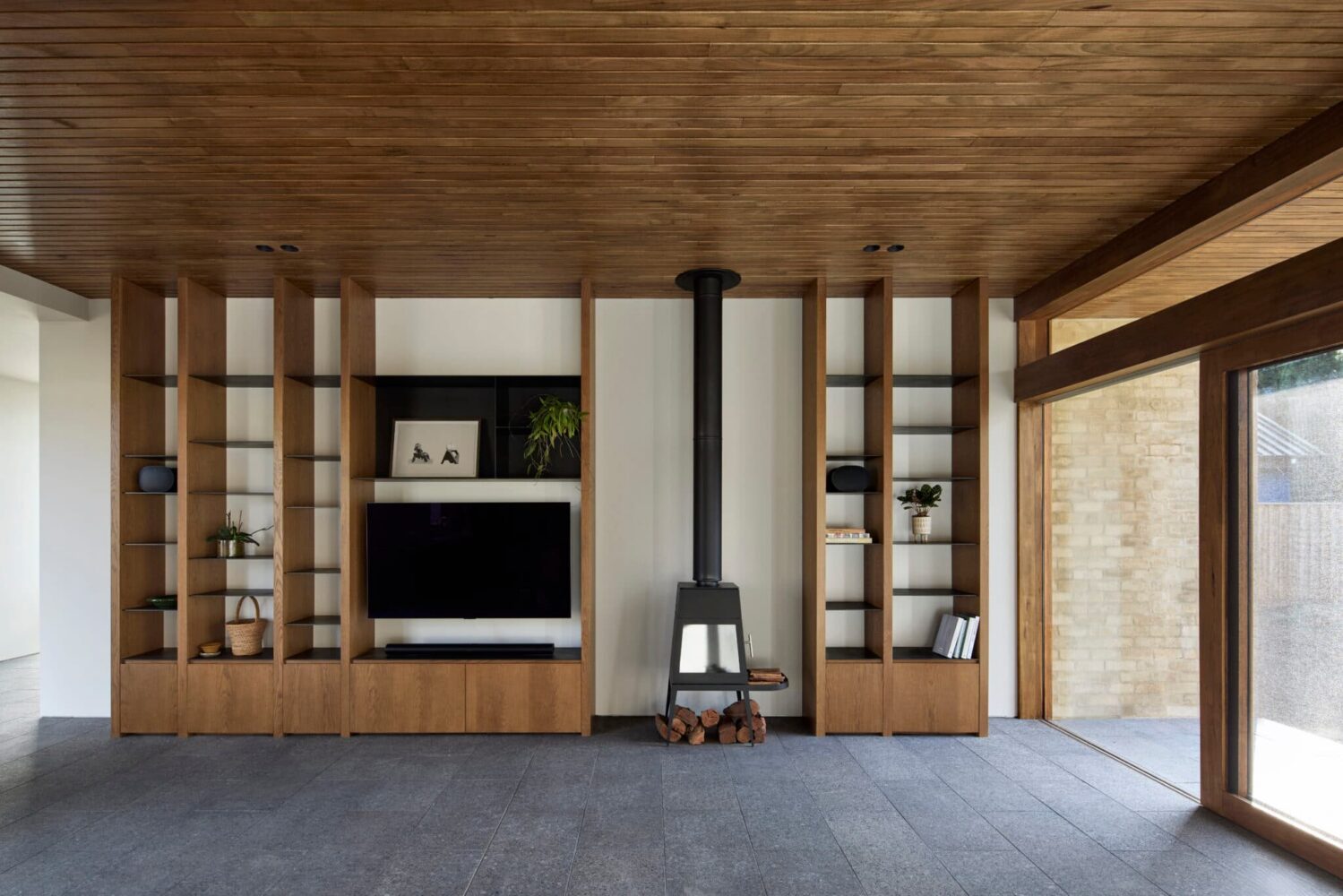
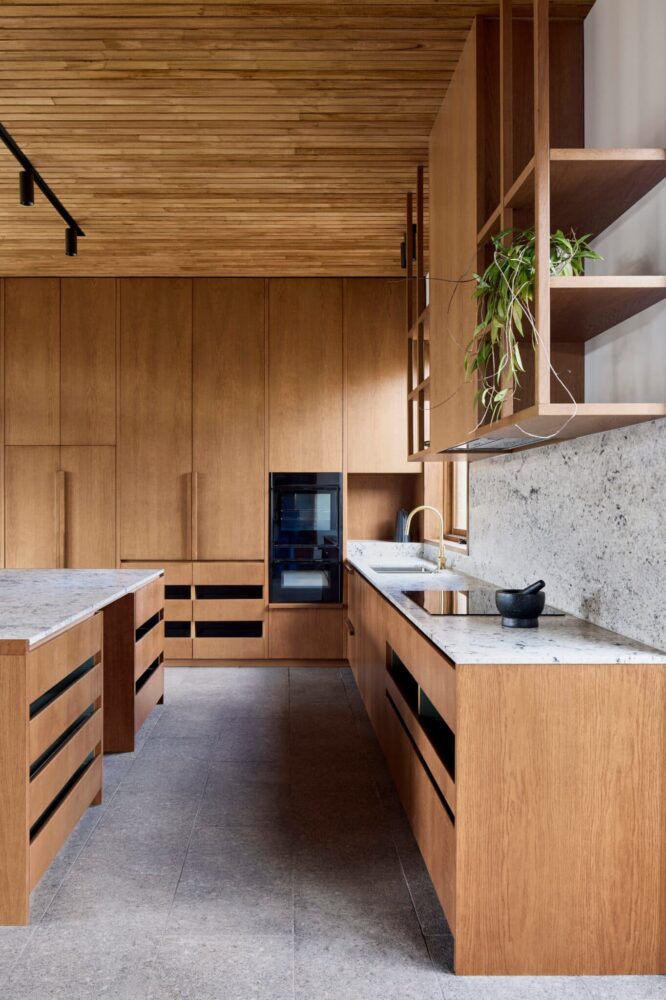
Kyneton demonstrates that high-performance homes do not need to compromise architectural ambition.
Designed by JTA Architects, the project was conceived around a simple idea: that comfort, efficiency and longevity should be embedded into the architecture itself. Rather than relying on technology to solve performance challenges later, the home’s environmental performance was considered from the earliest stages of design.
From thermal envelope design and airtightness strategies through to glazing performance and energy systems, every element was considered as part of a broader building performance strategy. The result is a home that incorporates many of the principles associated with Passive House methodology while remaining grounded in architectural quality, material integrity and long-term liveability.
The home demonstrates how sustainability can be embedded within architecture rather than applied to it, creating a built outcome that feels comfortable, calm and efficient throughout the year.
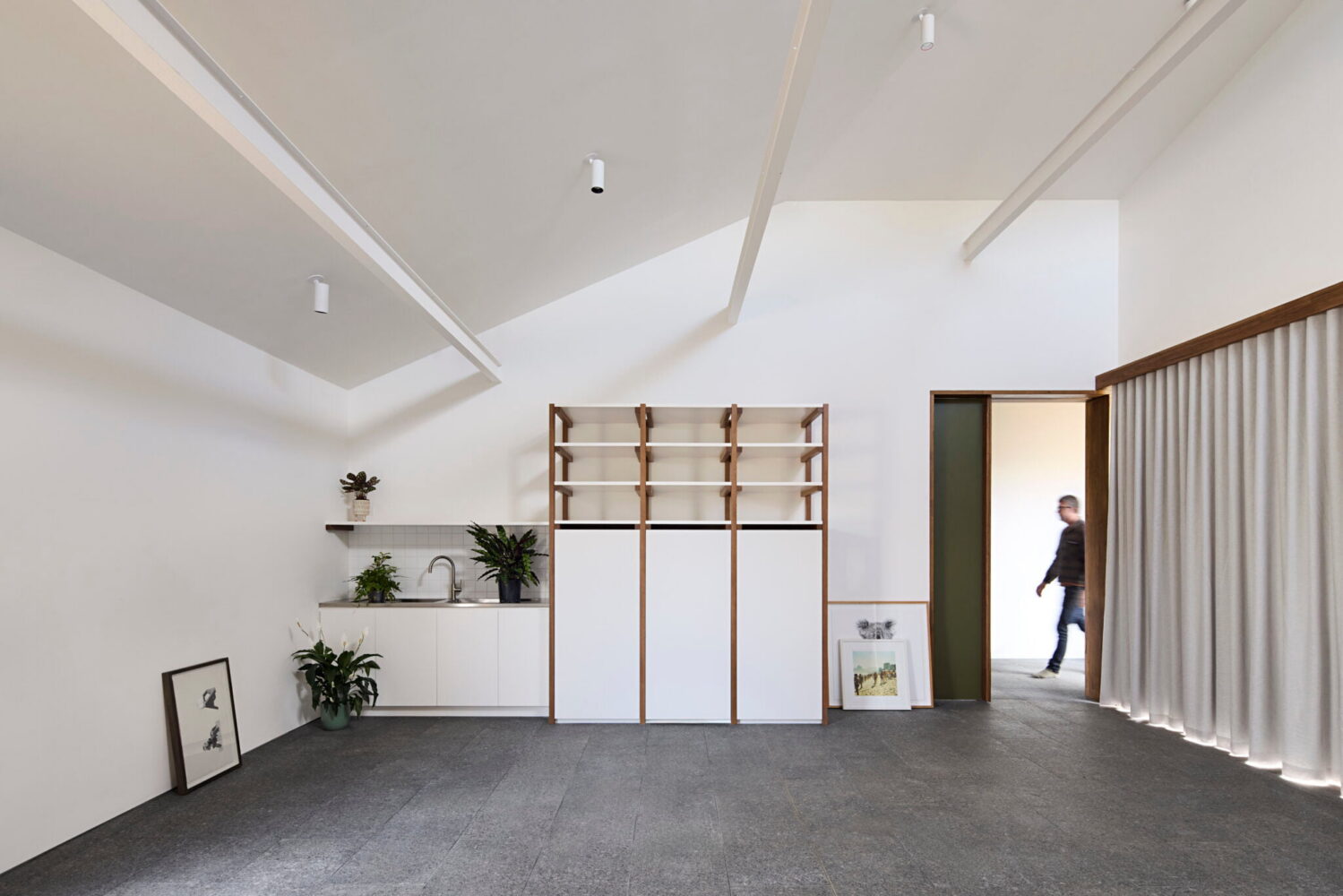
high-performance building
Key Performance Features
- Passive House principles
- High-performance building envelope
- Continuous airtightness membranes
- Thermal bridge minimisation
- High-performance glazing
- R6.0 roof insulation
- R4.0 wall insulation
- Heat pump hot water system
- Rooftop solar integration
Proven excellence in every detail
Built On Experience. Proven Through Delivery.
High-performance homes demand more than good intentions. They require experience translating architectural ambition, sustainability principles and technical detailing into built outcomes.
Over the past 15 years, we’ve partnered with leading architects to deliver homes where design quality and building performance are considered equally important.
0 +
Years Building Architectural Homes
0 %
Architect-Led Projects
0 x
Award Winning & Nominee
0 ★
Track Record
Frequently Asked sustainability Questions
Frequently Asked Questions About Sustainable Homes
Every sustainable home is different. Here are some of the most common questions homeowners ask when planning to build a high-performance home.
Passive design uses a home’s orientation, layout, shading, insulation and natural ventilation to maintain comfortable indoor temperatures throughout the year. By responding to the local climate, passive design reduces reliance on mechanical heating and cooling while improving comfort, reducing energy consumption and creating a more resilient home.
Passive House is an internationally recognised building standard focused on comfort, energy efficiency and indoor air quality. It combines high levels of insulation, airtight construction, high-performance windows and controlled ventilation to significantly reduce heating and cooling demand. While often associated with energy savings, many homeowners value Passive House principles for the comfort and consistency they provide year-round.
No. Many homes successfully adopt Passive House principles without pursuing formal certification. Certification provides independent verification that specific performance targets have been achieved, however many homeowners choose to focus on outcomes such as comfort, energy efficiency and building performance without requiring a formal certification pathway.
In most cases, yes. Higher-performance glazing, improved insulation, airtight construction and specialist detailing can increase upfront construction costs. However, these investments can also deliver lower operating costs, improved comfort, reduced maintenance and greater durability over the life of the home. The conversation is often less about initial cost and more about long-term value.
Savings vary depending on the home’s design, size, occupancy and performance target. However, homes built using Passive House principles can reduce heating and cooling energy demand by as much as 60–80% compared with conventional construction. Beyond lower energy bills, homeowners often notice more stable indoor temperatures and greater comfort throughout the year.
There is rarely a single feature that determines performance. Orientation, insulation, glazing, airtightness, shading and construction quality all work together as a system. Experience shows that the highest-performing homes are rarely those with the most technology, but those where design, materials and construction have been carefully considered from the beginning.
Absolutely. The best sustainable homes use design to enhance performance rather than compromise it. Passive solar design, natural light, shading and material selection can all contribute to both architectural quality and building efficiency. The most successful projects consider sustainability and architecture as complementary objectives rather than competing priorities.
Ideally during the design phase. Many of the decisions that influence long-term performance, including glazing specifications, envelope design, material selections and construction methodology, are easier and more cost-effective to optimise before documentation is complete. Early collaboration between architect, builder and consultants typically leads to better outcomes.
Ask about their experience with high-performance homes, building envelopes, airtightness, thermal bridging and Passive House principles. It is also worth understanding how they work alongside architects and sustainability consultants, as many performance outcomes rely on effective collaboration throughout both design and construction.
Many of the most important performance features are hidden once construction is complete. Insulation continuity, airtightness detailing, membrane installation and window junctions all require careful execution on site. A home may be designed to perform exceptionally well, but its real-world performance ultimately depends on how successfully those details are delivered during construction.
Planning A Passive Or High-Performance Home?
Whether described as a sustainable home, eco home, passive home or energy-efficient home, the objective remains the same: creating a home that delivers greater comfort, lower energy demand and long-term performance.
BOA works alongside leading architects to deliver high-performance homes across Melbourne, combining thoughtful design, quality construction and building science principles to create homes that perform as beautifully as they look.